-
John Rust not only wanted to invent a successful cotton picker; he sought to build a ‘new society’
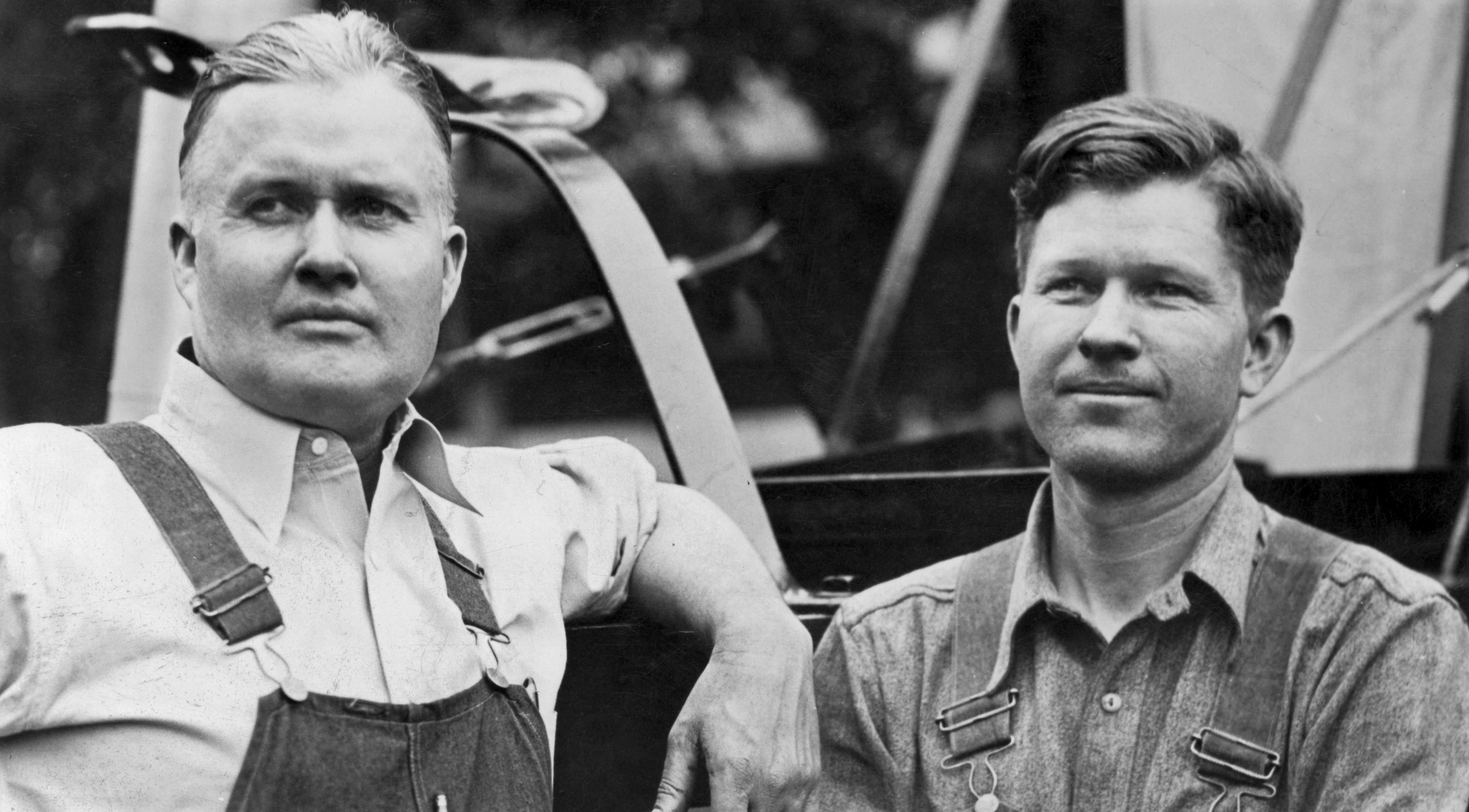
After his parents died, he wandered. Picked cotton. Harvested wheat. Mined coal. Lived in a cooperative community. Drafted during the Great War, he never fought. Learned instead to play the bugle. Continue reading
-
The struggle to invent a cotton picker cemented the bond between two brothers, then drove them apart
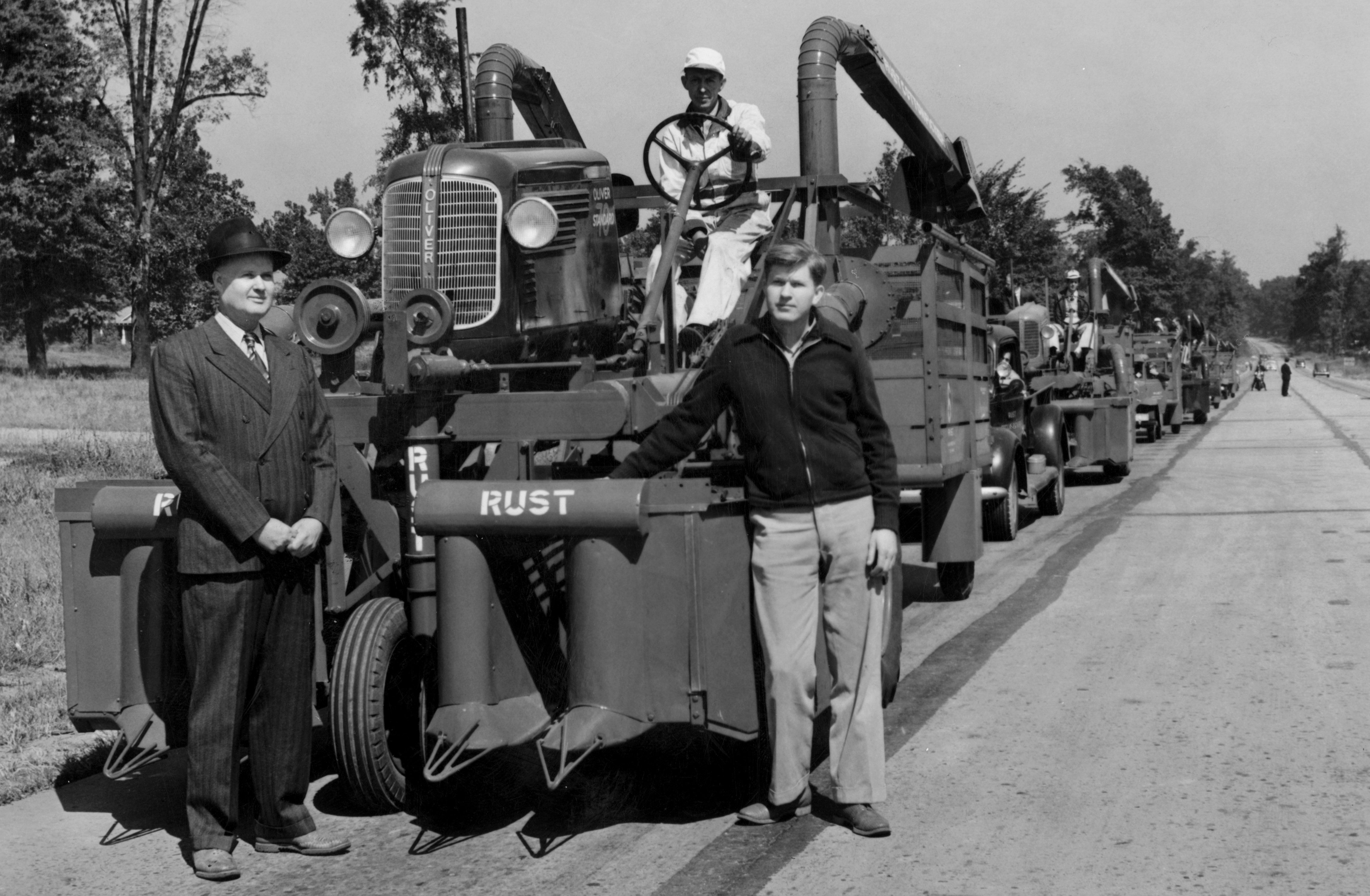
Mack Rust, who outlived his older brother John by 12 years, never abandoned his quest to build a better cotton picker but later struggled to secure financing on his own — something he blamed on John. Continue reading
-
Mechanization of cotton harvesting disrupted the labor market and we’re still feeling the effects today
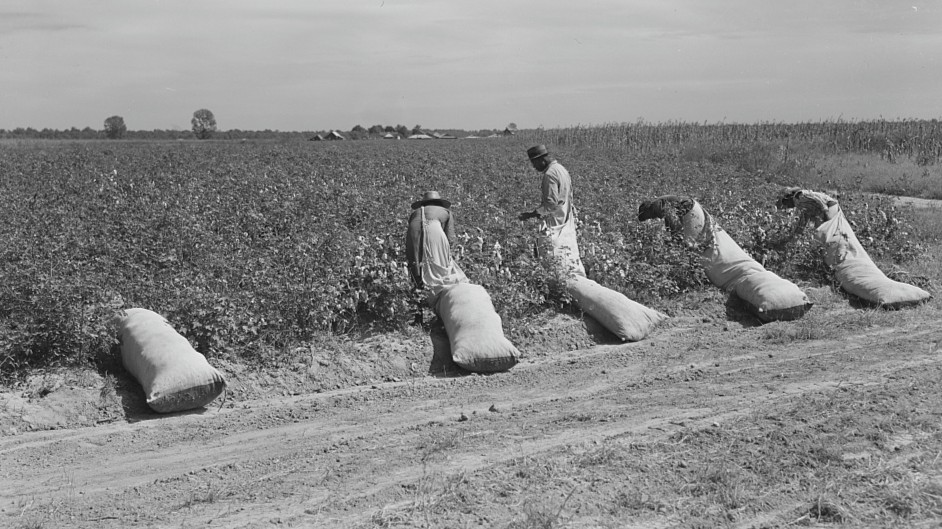
Before the mechanical cotton picker took hold, millions of people, mostly Black southerners, harvested the crop by hand. Emancipation had not spared the descendants of enslaved people from the drudgery of “cotton-picking time.” Continue reading
-
‘Seeing a hippopotamus’: Early efforts to invent a cotton-picking machine were met with skepticism

Hundreds of patents were issued for machines to harvest cotton before John and Mack Rust applied for their first in 1928. Promising designs, like the Rusts’, incorporated spindles, prongs, or “fingers.” Unsuccessful ones included those that used pneumatic power or electrostatic charges to remove fiber from cotton bolls. Continue reading
-
The Rusts get national attention for their Memphis-made picker: ‘A machine that actually picks cotton’
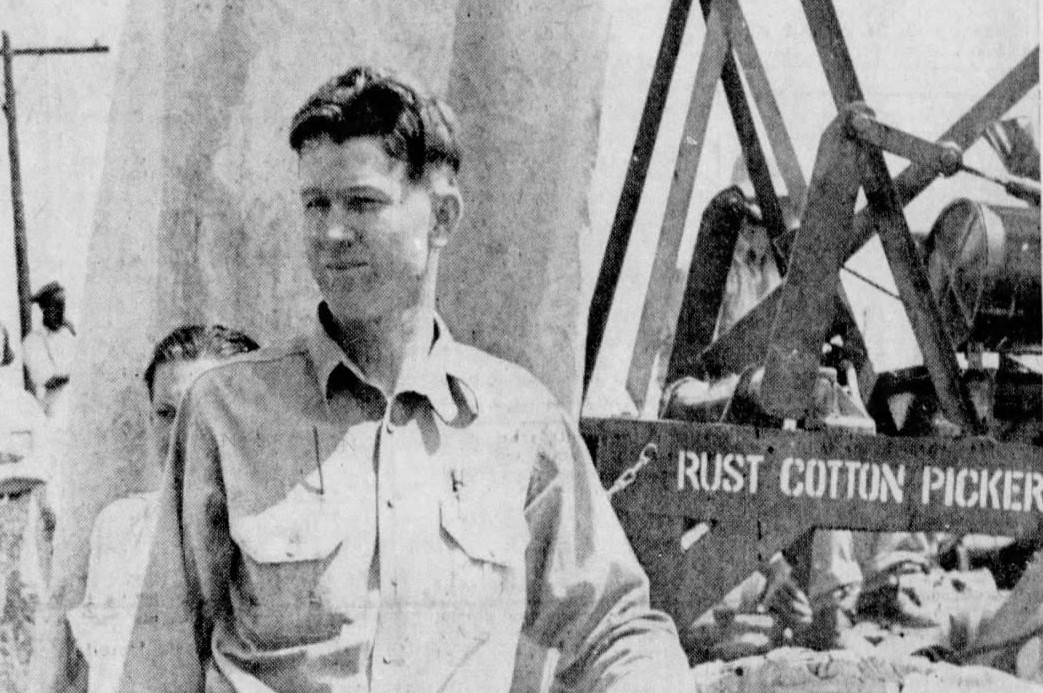
Mack (pictured) and John Rust demonstrated the latest prototype of their Memphis-made cotton picker at the Delta experimental station in Stoneville, Miss., on Aug. 31, 1936. The test, which drew widespread news coverage, was filmed. Continue reading
-
Magazine aimed at inventors highlights a Rust brother mechanical cotton-picker design in 1936
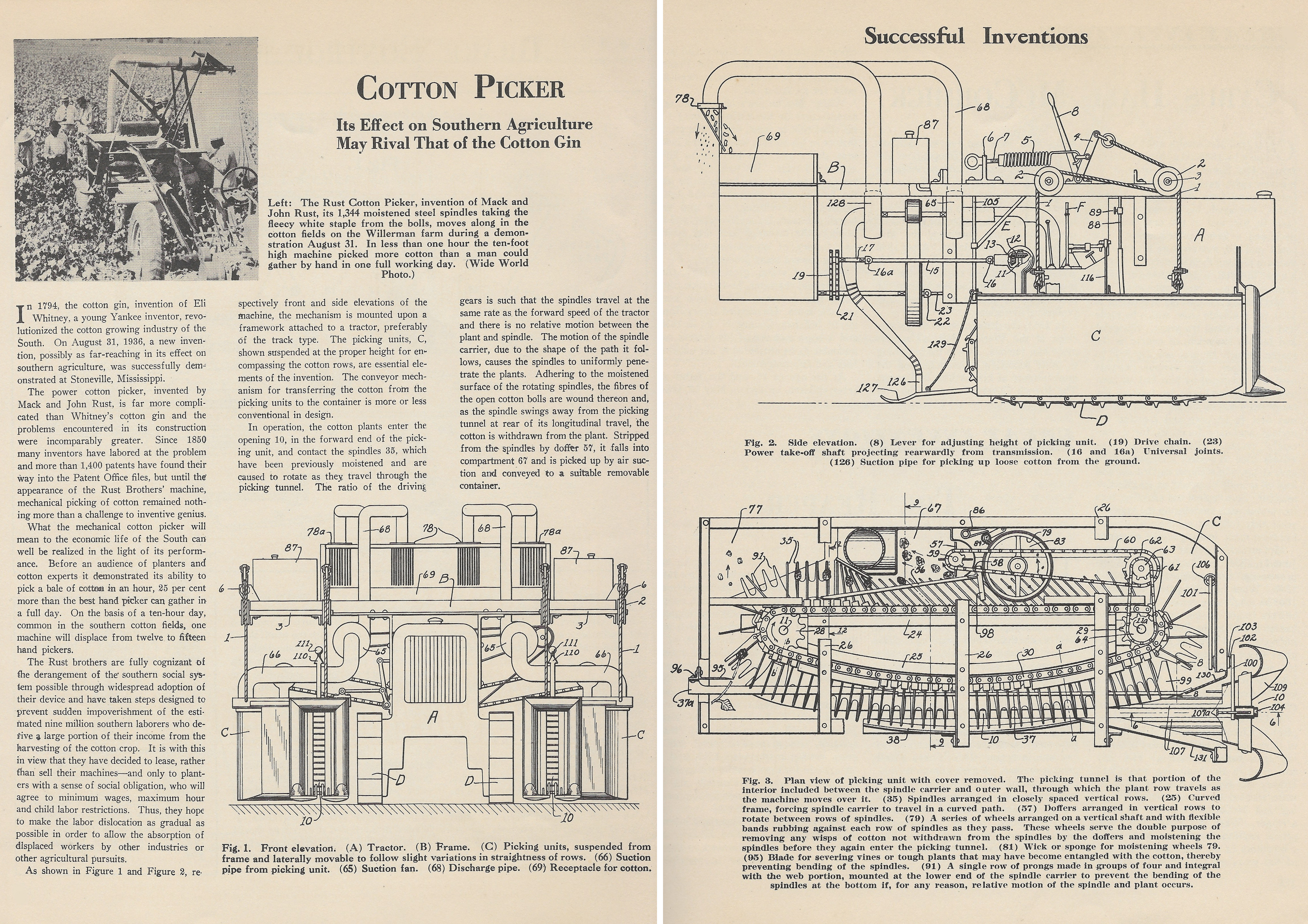
“Successful Inventions” magazine featured a Rust design in October 1936: “Since 1850 many inventors have labored at the problem and more than 1,400 patents have found their way into the Patent Office files, but until the appearance of the Rust Brothers’ machine, mechanical picking of cotton remained nothing more than a challenge to inventive genius.”… Continue reading
-
With the help of a few ‘Southern belles,’ the Rusts score some free publicity at the 1940 World’s Fair
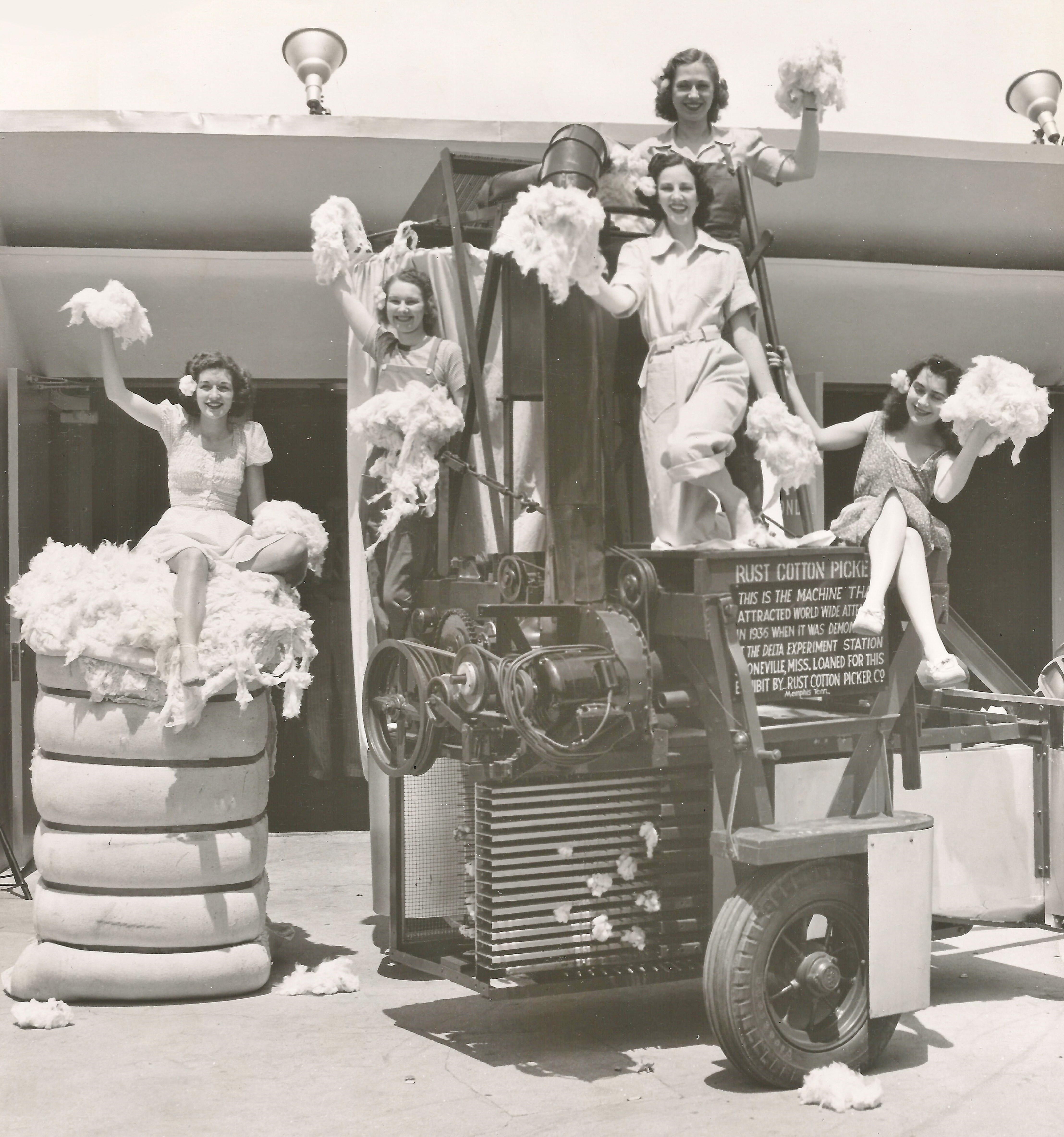
In this publicity photo provided by the World’s Fair of 1940, “Southern belles” from Tennessee and Florida, wearing “cotton picking attire,” pose with a Rust Cotton Picker. On the picker is written: “This is the machine that attracted worldwide attention in 1936 when it was demonstrated at the Delta Experiment Station, Stoneville, Mississippi.” Continue reading
-
Before they moved to Memphis, the Rusts tested early prototypes at a Louisiana cooperative
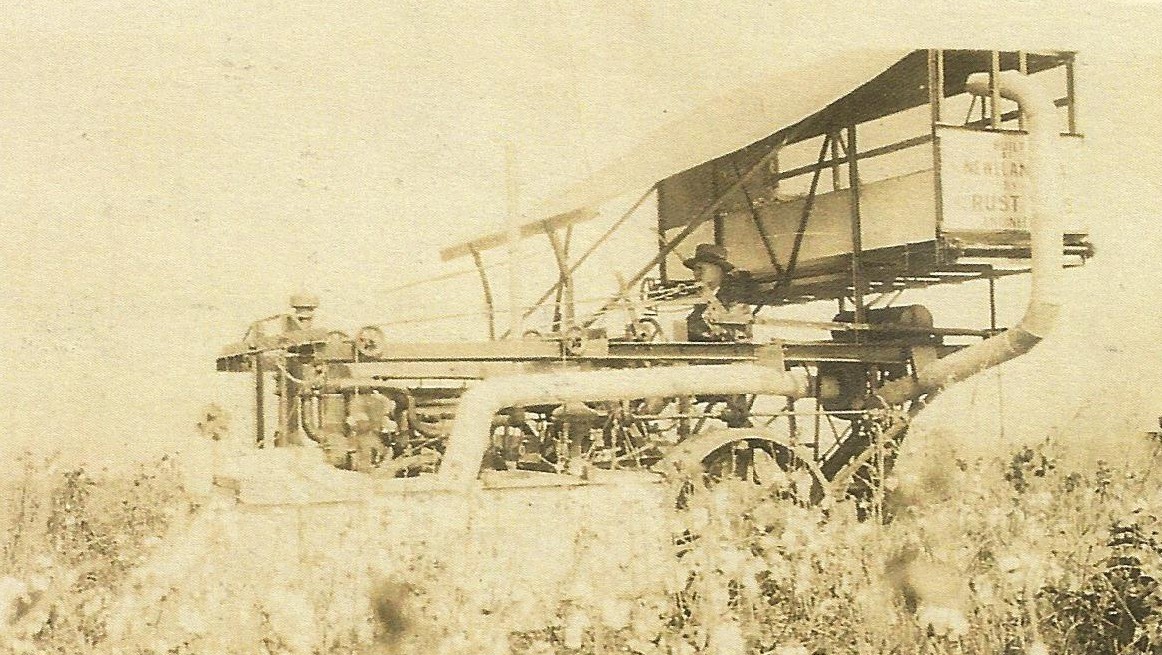
John Rust demonstrates a prototype at the New Llano Cooperative in Louisiana. The photograph, provided by his daughter Mary Agnes, was likely taken in 1930. Continue reading
